
How Long Does It Take to See Results from Light Therapy for Vitiligo?
TL;DR
Light therapy (narrowband UVB) for vitiligo typically produces gradual repigmentation over weeks to months rather than immediate results, with progress influenced by factors like treatment consistency, body area, and vitiligo type; consulting a dermatologist helps set expectations and determine the right clinic or home phototherapy plan.

A Guide to Expectations, Treatment Timelines, and What Influences Progress
For people exploring light therapy for vitiligo, one of the first questions that comes up is:
“How long will it take to see results?”
While timelines vary from person to person, this guide will help set realistic expectations and explain what can influence repigmentation progress.
What Is Light Therapy for Vitiligo?
Light therapy (phototherapy) for vitiligo typically uses narrowband UVB (NB-UVB) wavelengths. This dermatologist-directed treatment works by targeting areas of depigmentation to help stimulate melanocytes and support gradual repigmentation.
Many dermatologists recommend phototherapy when:
- Topicals aren’t enough
- Patients prefer non-invasive treatments
- A systemic medication isn’t recommended
- Consistency and long-term management are priorities
Phototherapy can be done in a clinic or at home with a prescription.
When to Expect Visible Changes
Most people don’t see overnight progress—phototherapy is a gradual treatment.
However, many dermatologists observe the following general pattern:
| Timeframe | What Patients May Notice |
| 4–8 weeks | Early signs in some cases: less contrast, subtle freckles of pigment |
| 3–6 months | Visible repigmentation in many cases with consistent treatment |
| 6–12+ months | Larger areas filling in, stabilized patches, maintained results for some |
These are general timelines, not guarantees.
Some patients see changes earlier, while others may need more time.
Consistency is one of the biggest factors in visible progress.
What Can Affect Results?
Several factors influence how quickly someone may see response from light therapy:
- Vitiligo Type
Segmental vs. non-segmental vitiligo may respond differently. - Location on the Body
Areas like the face, neck, and upper torso may respond more quickly than hands or feet. - Treatment Frequency
Following your dermatologist’s schedule matters—skipping sessions slows momentum. - Skin Sensitivity & Tolerance
Your clinician adjusts dosage to balance effectiveness and safety. - Duration of Condition
Recently developed areas may respond differently than long-standing patches.
What Results Look Like
Instead of a sudden change, progress often happens in stages:
- Freckling or peppering of pigment
- Shading around the edges of patches
- Color spreading from hair follicles
- Gradual blending into surrounding skin
Many patients also report feeling improvement in emotional well-being, confidence, and control in their treatment plan.
Before
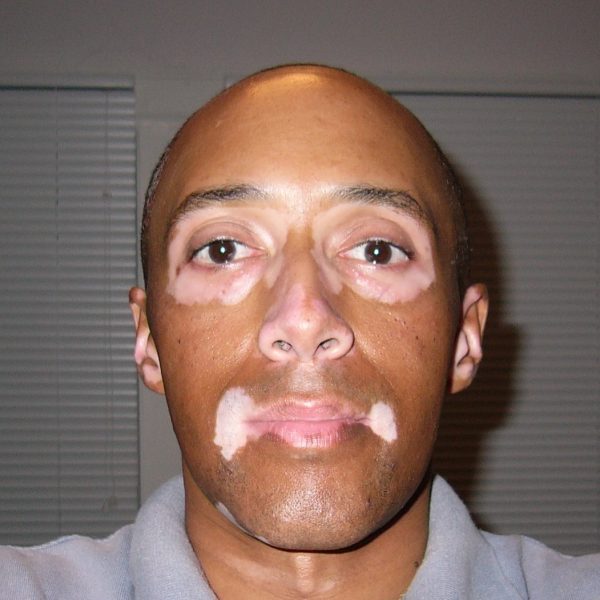
After

Clinic vs. Home Phototherapy
NB-UVB light therapy is traditionally provided in a dermatology office, but home phototherapy devices may be prescribed when:
- Travel limits consistency
- A patient needs more flexible scheduling
- Long-term treatment is recommended
- A dermatologist believes the patient can safely manage treatment at home
Home phototherapy is not “DIY” — it requires a prescription and medical guidance.
Frequently Asked Questions
Does phototherapy cure vitiligo?
Vitiligo has no known cure. Phototherapy may help manage symptoms, support repigmentation, and stabilize depigmentation for some patients.
How many sessions until results?
This varies. Dermatology treatment plans often include multiple weekly sessions for several months.
Can children or pregnant women use phototherapy?
Some dermatologists may recommend UVB phototherapy as a treatment option in certain cases because it is non-invasive and medication-free, but this depends on medical history and requires professional approval.
How to Know If It’s Working
Your dermatologist may look for improvement by tracking:
- Changes in pigment density
- Reduction in active spread
- Improved color uniformity
- Stabilization of patches
Photographs every few weeks can help you visualize subtle progress.
Considering Light Therapy for Vitiligo?
If you’re interested in phototherapy, the best first step is talking to your dermatologist. If they believe you’re a candidate, they can help determine:
- Treatment frequency
- Expected timelines
- Clinic vs. home device options
- Safety and comfort considerations
If a home device is recommended, Phothera provides medical-grade phototherapy systems with physician oversight and patient support.
Learn more: Home Phototherapy for Vitiligo
Ask your healthcare provider or dermatologist about Phothera phototherapy.
Key Takeaway
Most people do not see immediate changes.
However, with guidance and consistency, many patients begin noticing progress within weeks to months, with continued improvement possible over time.
Always follow your dermatologist’s treatment instructions. Individual results vary and timelines are not guaranteed.