
What Triggers Vitiligo Flare-Ups and How Can You Prevent Them?
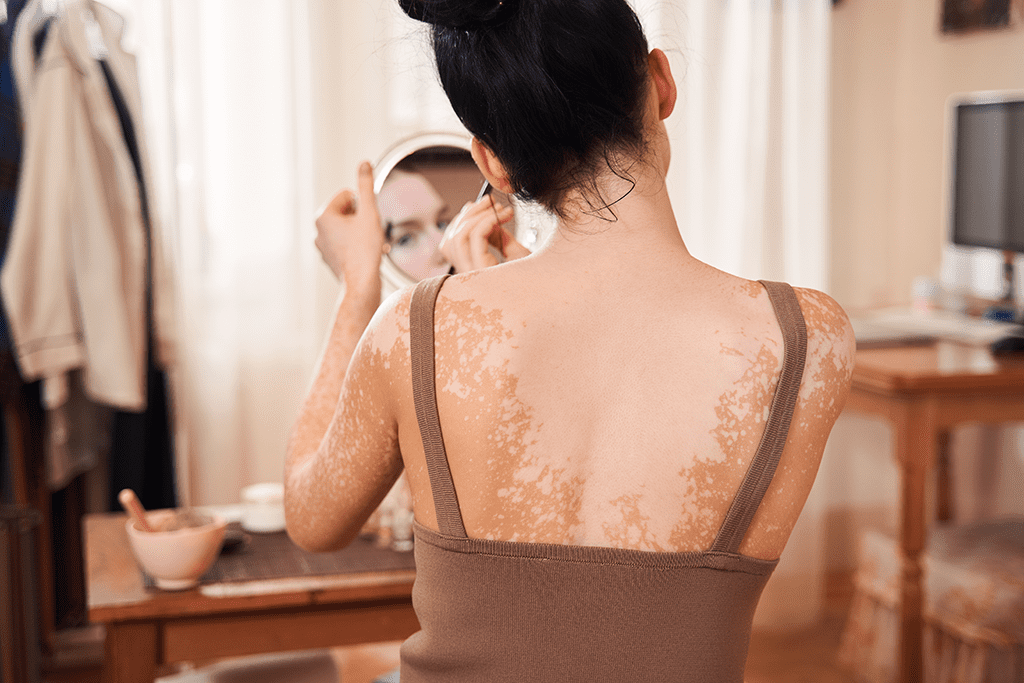
Vitiligo is a chronic autoimmune skin condition that causes loss of pigment, leading to white patches on the skin. While vitiligo is not contagious or life-threatening, many people experience flare-ups — periods when depigmentation spreads or becomes more noticeable.
Understanding what triggers vitiligo flare-ups and how to prevent them can help you better manage symptoms and maintain more consistent skin tone. In this guide, we’ll explore common triggers, prevention strategies, and how NB-UVB phototherapy is used as an effective treatment option.
What Is a Vitiligo Flare-Up?
A vitiligo flare-up refers to a phase when:
- Existing patches expand
- New depigmented areas appear
- Skin contrast becomes more noticeable
Flare-ups can vary from person to person and may occur unpredictably. However, certain factors are known to increase risk.
Common Triggers of Vitiligo Flare-Ups
1. Emotional Stress
Stress is one of the most commonly reported vitiligo triggers. Chronic stress can disrupt immune system balance, potentially accelerating autoimmune activity that targets pigment-producing cells (melanocytes).
Prevention Tip:
Practice stress management techniques such as meditation, exercise, deep breathing, or consistent sleep routines.
2. Skin Trauma (Koebner Phenomenon)
Injury to the skin — including cuts, burns, friction, or sunburn — can trigger new vitiligo patches at the site of trauma. This reaction is known as the Koebner phenomenon.
Prevention Tip:
Protect your skin with sunscreen, avoid harsh exfoliation, and minimize friction from tight clothing or accessories.
3. Sunburn and UV Damage
While controlled UV exposure is used therapeutically, unprotected sun exposure can worsen vitiligo. Sunburn damages melanocytes and increases inflammation.
Prevention Tip:
Use broad-spectrum SPF 30+ sunscreen and wear protective clothing when outdoors.
4. Hormonal Changes
Puberty, pregnancy, and menopause may influence vitiligo activity due to hormonal fluctuations that affect immune system behavior.
Prevention Tip:
Maintain regular dermatology checkups during major life changes.
5. Autoimmune Conditions
Vitiligo is often associated with other autoimmune disorders such as thyroid disease, type 1 diabetes, and alopecia areata. These conditions can contribute to immune system instability and flare activity.
Prevention Tip:
Routine blood work and medical follow-up can help manage underlying conditions.
6. Chemical Exposure and Skin Irritants
Certain chemicals, including phenols found in industrial products, hair dyes, and harsh skincare ingredients, may irritate the skin and worsen depigmentation.
Prevention Tip:
Choose fragrance-free, gentle skincare products and limit exposure to harsh chemicals.
How to Prevent Vitiligo Flare-Ups
Although vitiligo cannot be cured, many patients successfully slow progression and reduce flare frequency through proactive management.
Build a Consistent Skincare Routine
- Moisturize daily
- Avoid abrasive scrubs
- Use mild cleansers
- Apply sunscreen consistently
Healthy skin barriers help reduce inflammation and trauma-related triggers.
Support Your Immune System
Lifestyle habits that support immune balance include:
- Getting adequate sleep
- Eating antioxidant-rich foods
- Staying hydrated
- Exercising regularly
These habits can help stabilize flare patterns.
Monitor Trigger Patterns
Keeping a symptom journal can help identify:
- Stress-related flare-ups
- Seasonal patterns
- Reaction to new products
Understanding personal triggers allows for better prevention strategies.
How NB-UVB Phototherapy Treats Vitiligo
Narrowband UVB (NB-UVB) phototherapy is one of the most widely recommended treatments for vitiligo and is supported by extensive clinical research.
How NB-UVB Works
NB-UVB phototherapy delivers a specific wavelength of ultraviolet light that:
- Stimulates melanocyte activity
- Encourages repigmentation
- Reduces autoimmune inflammation
- Promotes pigment cell migration into affected areas
This targeted approach helps restore color over time with consistent treatment.
Benefits of NB-UVB for Vitiligo
Patients using NB-UVB phototherapy may experience:
- Gradual repigmentation of white patches
- Improved skin tone uniformity
- Reduced disease progression
- Safe long-term treatment option
NB-UVB is commonly used in dermatology clinics and is also available in supervised home phototherapy programs.
How Long Does NB-UVB Take to Work?
Results vary, but many patients see:
- Early repigmentation within 2–3 months
- Continued improvement over 6–12 months
- Better outcomes with consistent treatment schedules
Areas like the face and neck typically respond faster than hands and feet. Learn more in this article.
When Should You See a Dermatologist?
You should consult a dermatologist if:
- New patches appear rapidly
- Existing areas expand suddenly
- You want to explore phototherapy options
Early intervention often leads to better treatment outcomes.
Final Thoughts: Managing Vitiligo Is About Consistency
Vitiligo flare-ups are influenced by a combination of immune activity, lifestyle factors, and environmental triggers. While flare-ups can’t always be prevented, consistent skincare, stress management, sun protection, and evidence-based treatments like NB-UVB phototherapy can significantly improve disease control.
With the right approach and professional guidance, many people with vitiligo achieve long-term stability and visible repigmentation.